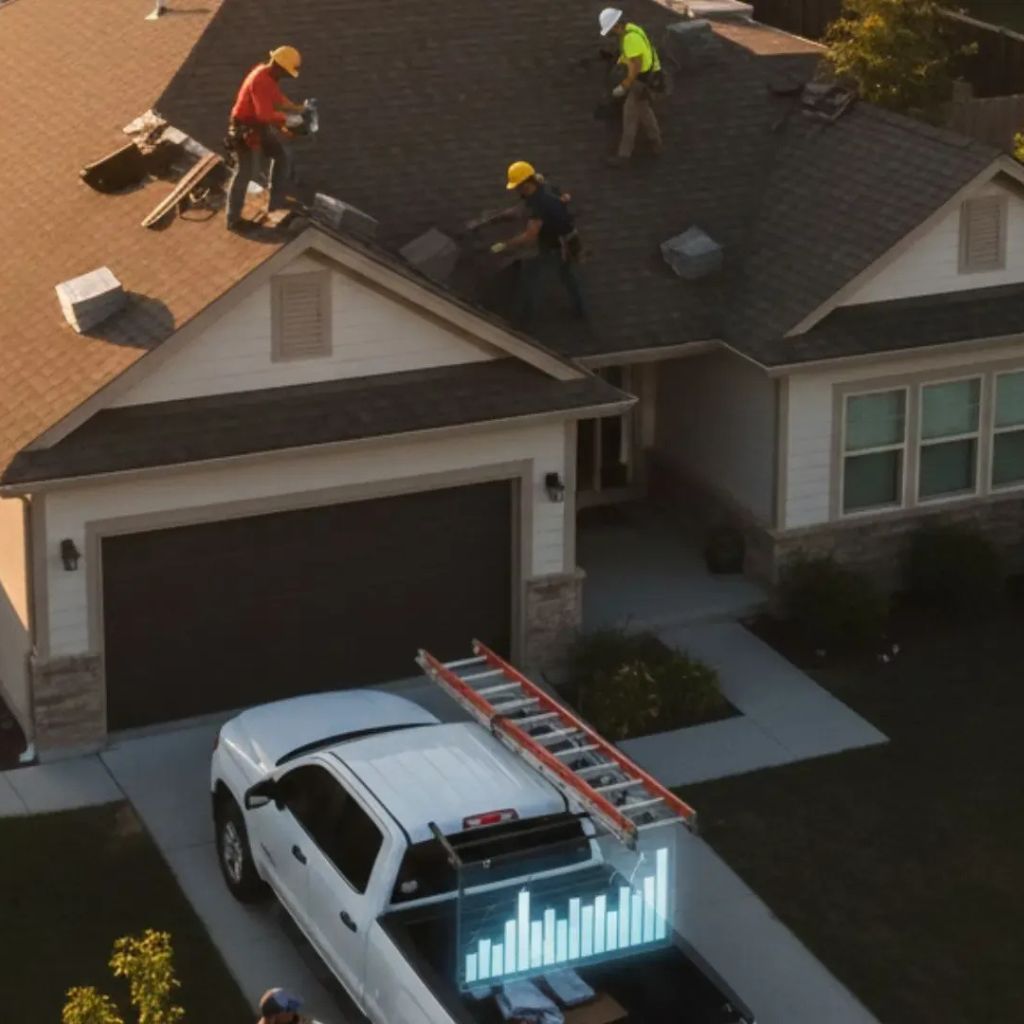

A roofing contractor manages the relationship between clients and roofers. Roofing contractors are the middlemen and managers for roofers. They manage the specialized roofer, organize their work, and direct them on roofing projects.
To make it more understandable, this guide will walk you through the differences between a roofing contractor and a roofer. We'll walk you through the requirements, scope of work, and the profitability of each career path.
Note: In this guide we are referring to employed works as roofers, while a contractor is the person who employs and manages their work.
Whether it's a roofer or a general contractor, both specialize in roofing projects. However, their roles, areas of specialization, responsibilities, and expertise are different. To make it simpler to understand, here's a summary of the differences between contractors and roofers:
The primary role of a roofing contractor is to serve as a supervisor on-site. The roofing contractor uses his experience and knowledge to guide the roofers in the right direction. The roofers are responsible for the roof repairs, installation, and most hands-on work.
Roofing contractors specialize solely in roofing project management. A roofing contractor is often responsible for overseeing the completion of roofing projects. It includes:
A roofing contractor is like a supervisor, who takes care of everything between the client and the company. Naturally, most roofers want to gain experience and become contractors at some point in their career.
A roofer is responsible for tearing off shingles, prepping squares, installing new roofing materials, and more. They work as crew members for roofing contractors and fulfill the plans set out. These individuals are responsible for all hands-on roofing tasks, which include:
Roofers work exclusively in roofing companies as key-level workers. They are responsible for the successful fulfillment of each project.
Both roofing contractors and roofers need specialty licenses to undertake or oversee work. According to Illinois Law, both contractors and roofers need a Limited or Unlimited Roofing License.
However, according to some local municipal laws, roofing contractors might need extra licenses for certain projects. For example, some contractors in Chicago will need a General Contractor License for large-scale roofing projects.
Furthermore, our analysis only applies to Illinois. Different states have varying laws for roofers and contractors. You must read the extensive roofing license requirement list to understand the licenses you need for both careers.
Roofing contractors make 10% to 30% more than roofers. The average roofer makes $51,910 per year, with an hourly wage of $24.96. Skilled roofers in high-demand areas like Illinois can make more because homeowners hire experienced roofers more readily.
Roofing contractors have the same knowledge as roofers, but they primarily specialize in management and organization. According to some statistics, a roofing contractor or manager can earn between $60000 and $100000 per annum.
It is harder to become a roofing contractor because it requires more knowledge and experience. You can become a roofing contractor by going through the whole journey as a roofer. You will have to gain the necessary experience for different roofing needs, understand techniques, management, and more.
Furthermore, you'll need the necessary licenses. For example, a roofer might need an Unlimited Roofing and GC License to become a roofing contractor. Simultaneously, a roofer will need the necessary connections and links to succeed as a roofing contractor.
If you're a new roofer looking for a promotion, join our classes. We teach you everything about the licensing process, setting up a roofing business, and succeeding in the Illinois roofing industry. Take the step towards your bright future today and join our roofing classes.
The process of becoming a roofing contractor can change based on your location. For example, a roofer might need a GC License to become a roofing contractor in Chicago. However, a roofer won't need a separate contractor license in most other areas of Illinois.
Apart from this variable requirement, there are a few other requirements that each roofer must meet. These requirements include:
Local roofers specialize in hands-on roofing work like roofing installation, repair, and maintenance. A general contractor focuses on project management, inspections, hiring, contractual obligations, and communications.
In Illinois, a general contractor can undertake roofing work if he has the necessary specialty roofing license. In most areas of Illinois, you cannot take on roofing projects until the qualifying party has an Illinois Roofing License.
A professional roofing contractor installs, repairs, and maintains roofs on residential, commercial, or industrial buildings. They assess damage, recommend solutions, ensure code compliance, and provide warranties. Licensed contractors also manage materials, safety protocols, and coordinate with clients or other contractors as needed.
No, roofing contractors and general contractors have different scopes of work and purposes. A roofing contractor specializes in the management of roofing projects, while general contractors are intermediaries for various construction projects.
According to the Bureau of Labor Statistics, US homeowners hired 188,338 roofing contractors and roofers in 2023. We do not have accurate statistics about the specific number of roofers or contractors hired.
Roofing contractors and roofers both specialize in roofing work. However, contractors specialize in managing roofing professionals and projects. Becoming a roofing contractor is the next natural progression for a roofer.
Roofing contractors get paid more compared to roofers. Furthermore, roofing contractors also get more opportunities to expand their skills and set up businesses. It's why most roofers aspire to become contractors.
If you're one such aspirant, then join the Illinois Roofing Institute. We help you pass the licensing exams, build connections, and progress your career. Join our Illinois roofing classes today and sculpt a career with your hands.