The Limited or Residential Roofing License is a necessary license for roofing contractors in Illinois. According to Illinois law, all roofers need a Limited License to undertake roofing work. The IDFPR issues this license to every roofer who fulfills the requirements.
But what does this license allow you to do? Who needs it and how do you get it? These are the questions that we've answered. You'll know everything, including some easy ways to get this license, by the end of this guide.
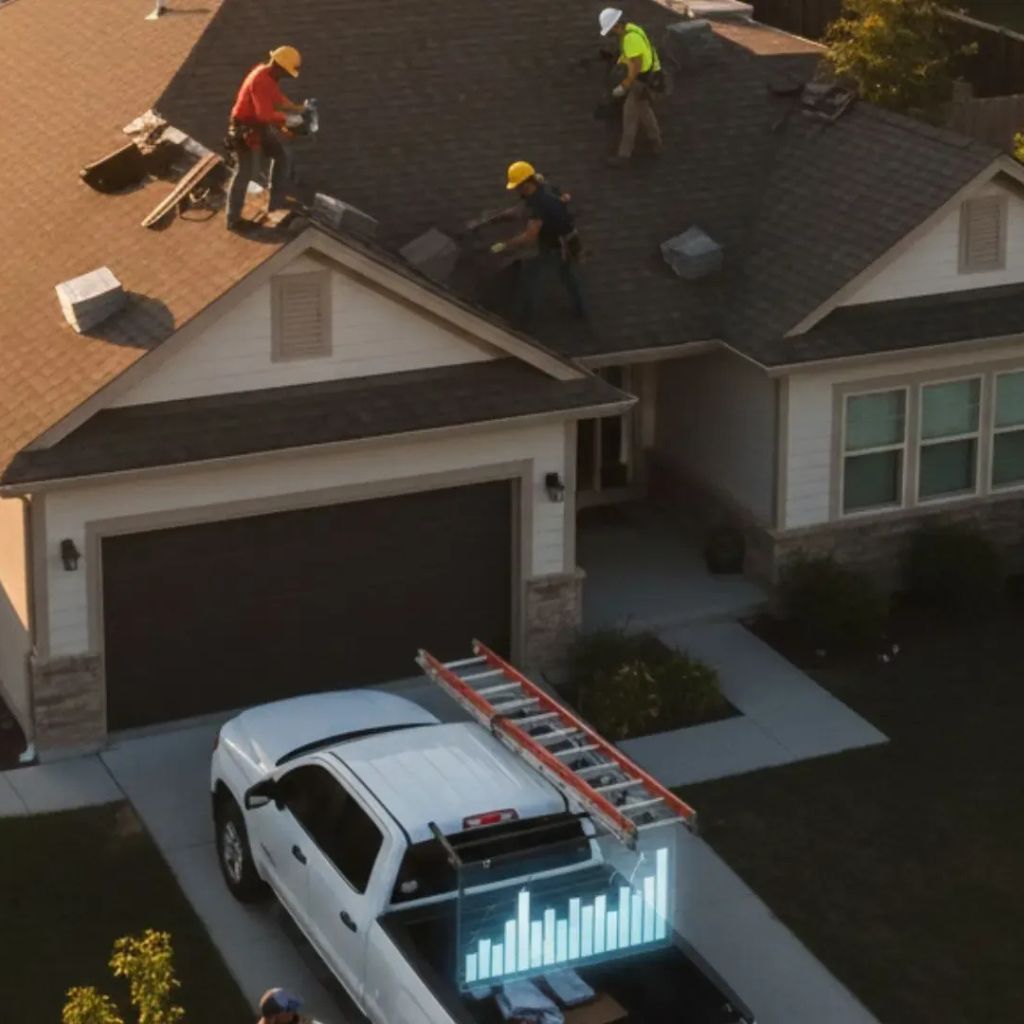
A limited roofing license allows contractors whose roofing business is limited to residential roofing to legally perform roofing work in Illinois. It's the ideal career path for individuals or roofers starting small roofing businesses.
Under Illinois law, this license is limited to residential properties consisting of 8 units or fewer. Contractors holding a limited license are not permitted to work on commercial or industrial properties and must restrict their roofing services to qualifying residential buildings only.
A limited roofing license is intended for contractors focused on residential roofing projects. This includes professionals who install, repair, or replace roofing systems on homes and small multi-unit residential buildings.
If your roofing business does not include commercial or industrial roofing work, applying for a limited license is both legally appropriate and cost-effective.
A limited license allows contractors to perform roofing work exclusively on residential properties. This includes homes and residential buildings consisting of 8 units or fewer.
Work on commercial properties, industrial properties, or large-scale roofing and waterproofing systems is not permitted under this license. Performing work outside these limits requires an unlimited roofing license under Illinois law.
The limited roofing license costs between $350 and $450 in direct fees. The main cost contributors are the examination (CTS) and application (IDFPR) fees. Here's a quick breakdown of the costs:
These costs should be considered alongside insurance expenses when planning to obtain a limited roofing license. Furthermore, please remember that you must repay the examination fee if you fail to pass the exam.
Does that happen often? Yes, about 60% of candidates fail the exam on their first attempt. Join our roofing exam prep if you want to pass with certainty. We prepare you for the exam and everything that comes after.
Insurance is a mandatory requirement for holding a limited roofing license in Illinois. Proof of insurance must be submitted during the licensing process and maintained at all times while performing roofing work.
The Illinois Department of Financial and Professional Regulation requires limited roofing contractors to carry both general liability insurance and workers' compensation insurance, if applicable.
Insurance costs can vary depending on the size of your roofing business, the number of employees, your claims history, and the type of roofing services performed. Contractors should budget for insurance as an ongoing operational expense.
The roofing licensing requirements for a limited roofing license are defined under the Illinois Roofing Industry Licensing Act, also known as 225 ILCS 335.
Applicants must submit a license application, pay the required application fee, pass the license exam, provide proof of insurance, and designate a qualifying party responsible for roofing knowledge and regulatory compliance.
A qualifying party is a mandatory requirement for obtaining a limited roofing license in Illinois. According to the IDFPR, the qualifying party:
The qualifying party must demonstrate roofing knowledge, pass the roofing exam, and ensure that all roofing practices comply with professional regulation standards and Illinois law.
Every applicant must pass the license exam to obtain the Limited License. The code for this exam is 105-1, with:
The exam focuses on residential roofing systems, roofing materials, roofing practices, and applicable Illinois roofing laws. Exam prep resources are commonly used to help candidates pass on test day.
To obtain a roofing license under the limited category, contractors must follow a structured process.
A licensed roofing contractor must remain compliant after licensing. This includes:
All licenses are handed out in good faith, so please uphold the principles.
Earnings for roofing professionals vary based on experience, specialization, and whether the contractor operates their own business. According to construction industry salary data, roofers in the United States had a median annual wage of about $50,970 in 2024.
Roofing contractors make more than $60000 per annum in states like Illinois, where residential roofers are in high demand. The job growth is projected at 6 percent through 2034, faster than the average for all occupations, indicating steady demand for roofing work overall.
Illinois requires roofing contractors to register with the Illinois Department of Financial and Professional Regulation (IDFPR). Contractors must carry liability insurance and workers’ compensation coverage. Cities and counties may also require local licenses or permits.
You can get into roofing with no experience by starting as a roofing laborer. Some companies provide roofing apprenticeships or on-the-job experience. Entry-level workers learn safety practices, material handling, and basic installation skills while earning pay and gaining experience.
A limited roofing license in Illinois is the appropriate option for contractors whose roofing business is limited to residential properties. In addition to licensing fees, insurance costs are a critical part of maintaining compliance and protecting your business.
By understanding licensing costs, insurance requirements, and legal limitations, roofing contractors can confidently operate within Illinois law. 3 out of 5 candidates have their hopes dashed by the roofing exam. Join our roofing exam prep to pass with certainty!




.jpg)