
Your Illinois roofing license becomes inoperative under state law when your qualifying party (QP) quits. Illinois gives you 30 business days to report the departure, 60 days to name a replacement, and 7 months to pass the exam. During this period, your company cannot operate in the roofing trade.
The IDFPR changed certain things about the processes involving qualifying parties in 2025. This ha You will know exactly which deadlines to track, what work you can still do, and how to protect your license before anyone leaves.
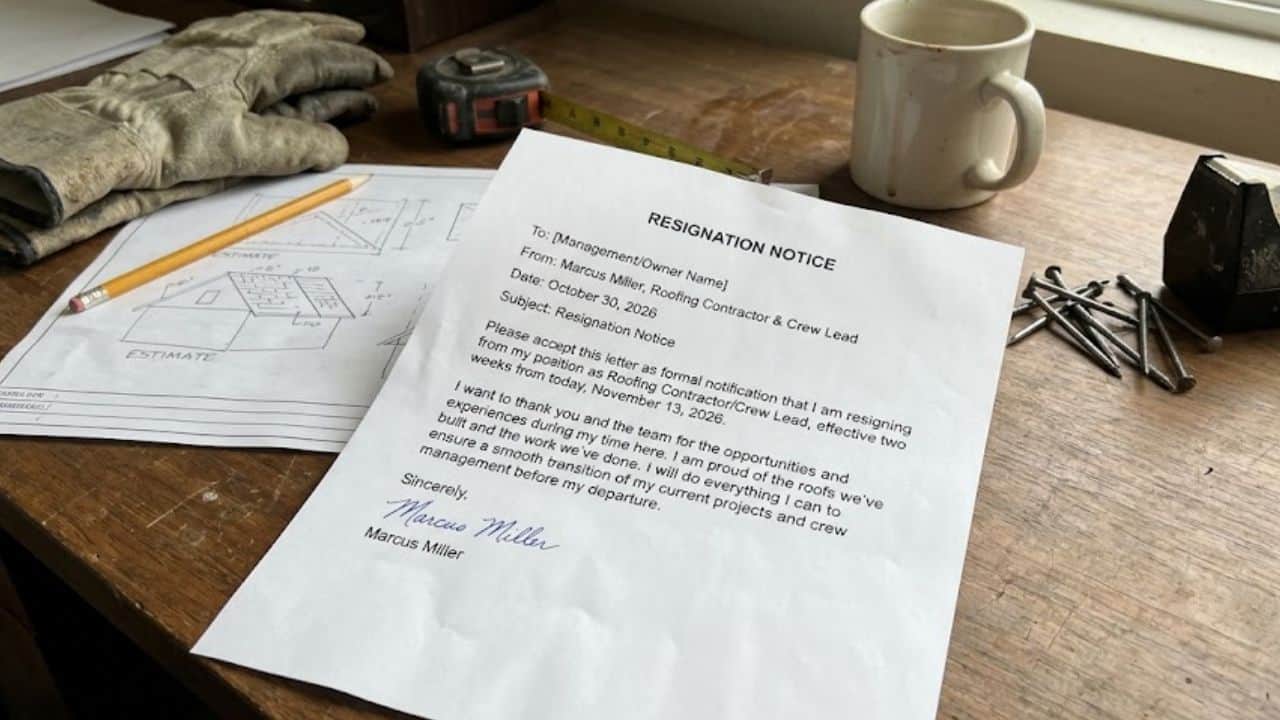
According to the state roofing law, your roofing license automatically becomes inoperative the moment your qualifying party quits. Section 4.6 of the Illinois Roofing Industry Licensing Act, added by Senate Bill 2503 in August 2025, spells out this rule.
Here is what changes the day your qualifying party leaves:
Inoperative status means the license still exists, but the roofing company cannot perform roofing contracting services under it. The statute allows an exception only when the roofing company meets every notice and replacement requirement in Section 4.6.
The Illinois Roofing Industry Licensing Act sets three back to back deadlines after a qualifying party quits or is terminated. Missing any one of them places the roofing license on inoperative status until the company requalifies.
Added together, these deadlines give a roofing company roughly ten months to fully requalify. Some things to remember here are that:
The crux of the matter here is to be quick and precise. Notify the IDFPR as quickly as possible, vet a new roofer, and have them appear/pass the required roofing exam.
A roofing contractor without an active QP should not start new roofing work or pull a new permit until the IDFPR confirms compliance. Illinois law requires local permit officials to verify a contractor's state license before issuing any building permit for roofing work. In short, they will always know.
For your company, it means:
The Act only lets anyone complete an unfinished contract after the qualifying party dies or the company dissolves. A qualifying party who simply quits does not trigger that exception. Unfortunately, this creates unfinished jobs which are a headache, because homeowners still expect the roof finished and the leak fixed.
The 2025 law raised the maximum civil penalty for unlicensed roofing from $10,000 to $15,000 per offense. The IDFPR treats roofing with an inoperative license as unlicensed roofing. This counts as ground for discipline under the statute, with penalties including:
Criminal penalties apply on top of civil fines and the law counts each day of violation as a separate offense. So 3 days of operation without a QP could cause $30,000 to $70,000 in direct fines.
Even if you were to somehow complete the job, it could open the doors for consumer lawsuits. Any damage to the roof will not be insured or covered because your license was invalid during the period. All in all, its better to get the license back online before continuing.
The first and most important things is notifying the IDFPR. That step kicks off the whole process for your license reactivation. The second step is finding and preparing a new valid qualifying party.
One of the hurdles is that your QP has to reappear for the Illinois roofing examination. Unfortunately, over 50% of first time candidates fail their exam. The best way to avoid that is to enroll your QP in a exam prep course.
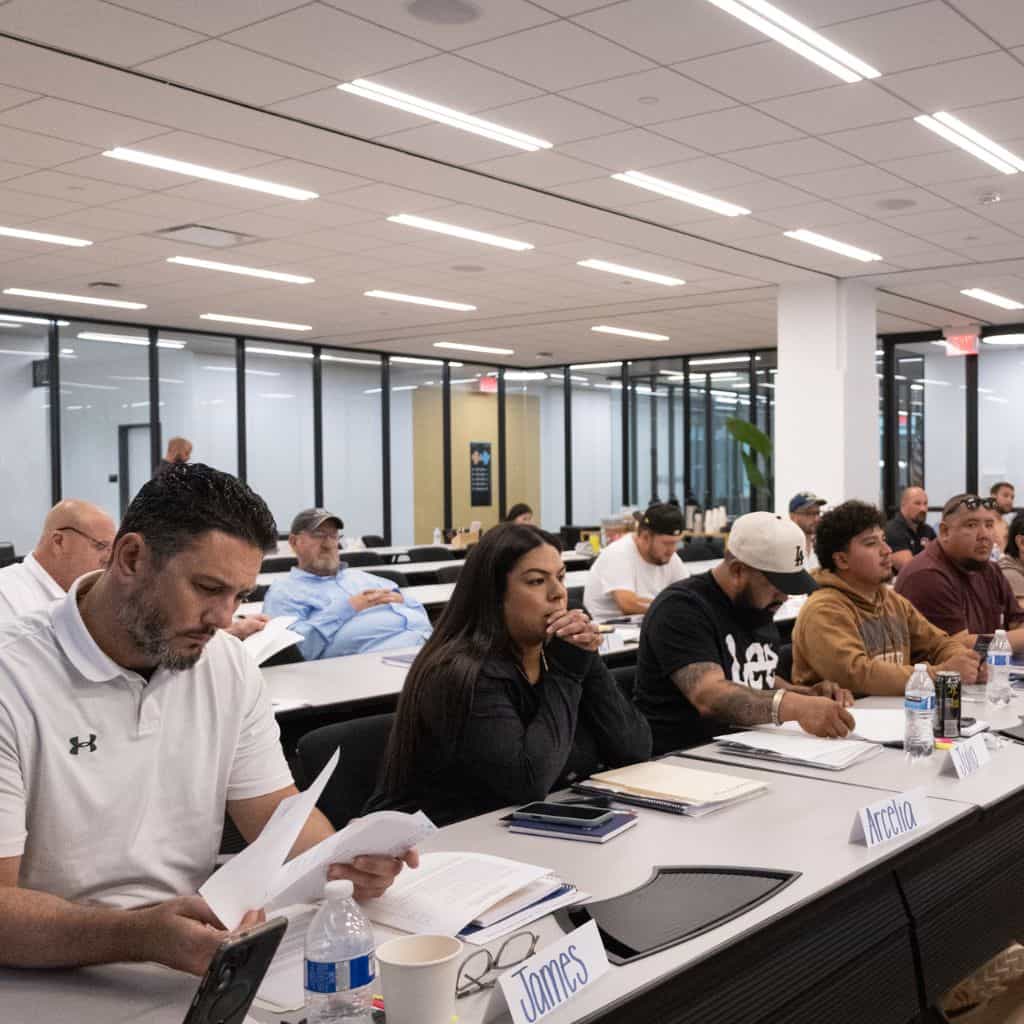
At Illinois Roofing Institute, we prepare every candidate for the roofing exam. Our candidates have over 90% pass rate, which makes your reactivation journey much easier. Join our classes now!
Your roofing license becomes inoperative, but it does not disappear. Section 4.6 of the Illinois Roofing Industry Licensing Act places the license on inoperative status when the qualifying party relationship ends. Meeting the notice and replacement deadlines lets your roofing company requalify the same license.
You have 60 days after notifying the IDFPR to name a new qualifying party. That notice itself must arrive within 30 business days of the departure. The new qualifying party then has 7 months after approval to pass the roofing license exam.
Yes, a roofing business owner can serve as qualifying party if the owner meets every state requirement. The Act allows a qualifying party to hold an ownership or management interest in the licensed roofing contractor. The owner must still pass the exam and stay active in daily operations.
No, an independent contractor cannot serve as a roofing qualifying party in Illinois. The 2025 law requires the qualifying party to be an employee with payroll tax withholding and workers' compensation coverage. The statute also bars the roofing company from issuing that person a Form 1099.
Yes, both the roofing company and the departing qualifying party must notify the IDFPR in writing. The law accepts notice by regular mail or email within 30 business days of the departure. Departing employees should protect their own credential by sending notice promptly.
Yes, a former qualifying party can join another roofing company and serve as its qualifying party. The credential works only for one roofing contractor at a time, except in limited shared ownership situations. The new employer must designate that person with the IDFPR before the credential applies to its license.
A qualifying party (QP) who quits puts your Illinois roofing license on inoperative status. You must report the departure within 30 business days, name a replacement within 60 days, and pass the exam within 7 months. Delaying any of these could have serious repercussions for your business.
Failed exams and retakes can delay this process by months. Join the Illinois Roofing Institute, where we prepare roofing contractors and their backup employees to pass the Illinois roofing exam with confidence.