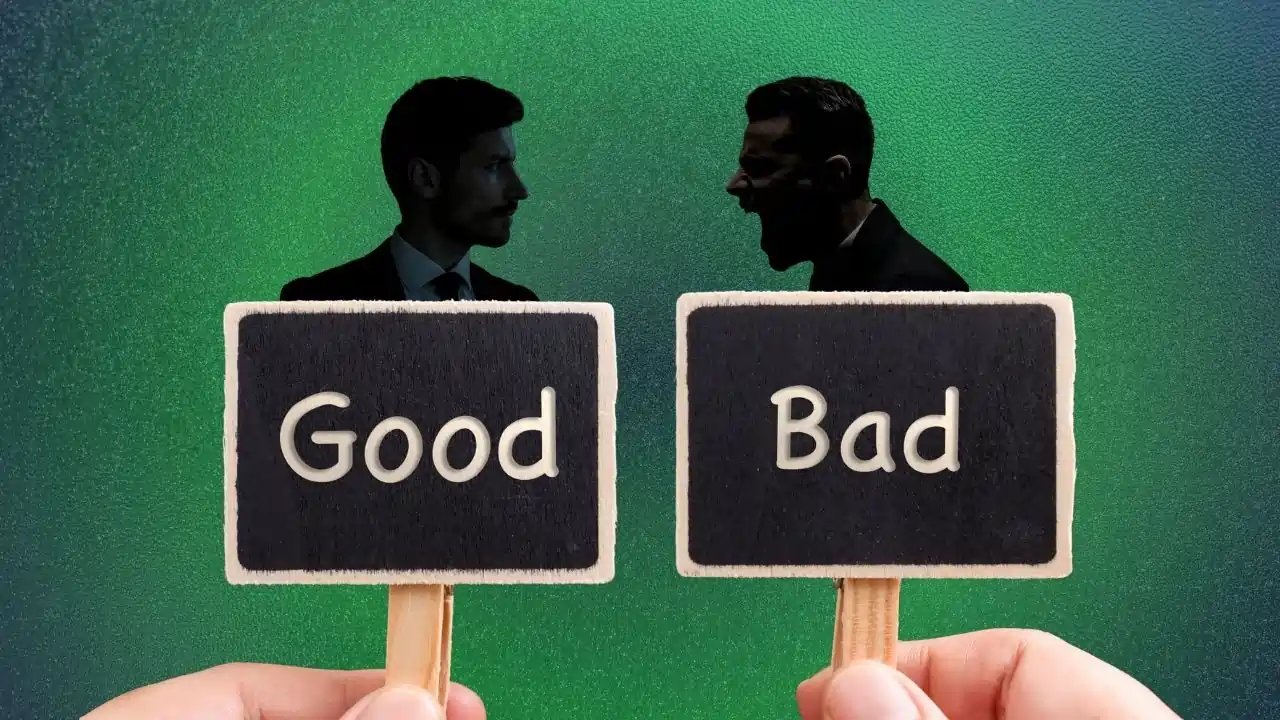
A good public adjuster wins bigger settlements and builds a referral engine that never stops. A bad public adjuster burns clients, draws complaints, and risks the license. Most people don't even know when they're transitioning from one to another.
Understanding the distinction is very important, especially if you're a new public adjuster. We'll explain what defines a good adjuster and what exactly you must avoid to be get in the good books of your customer.
A good public adjuster represents the policyholder and squeezes every fair dollar out of a claim. As a public insurance adjuster, you document the loss, value it, and negotiate the payout with the insurer.
A good public adjuster's core job:
The best public adjusters treat each claim like the client's livelihood. Remember, as an adjuster you will most likely be representing a homeowner who is being squeezed by the confusing mess of insurance claims.
They're reaching out to you because they're confused, scared, and stressed. You must help them by closely reading the policy, proving the full damage, and holding the insurance companies to the coverage owed. Unfortunately, some adjusters forget their job description.
The key differences between a good public adjuster and a bad one show up in behavior. A good adjuster earns trust through transparency and results. Bad adjusters overpromise and under deliver, leaving the homeowner confused and the claims process in shambles.
We went through 43 homeowner experiences with public adjusters. They highlighted some of the red and green flags of adjusters.
Unfortunately, some adjusters forget the core value of their job and opt for some shady tactics. We're break down each difference to help you understand what you should and shouldn't do.
Around 45 to 48 states and the District of Columbia license public adjusters through their state insurance departments. Practicing without that license is illegal and ends careers. A good public adjuster is a licensed public adjuster, so keep things clean and legal.
You should and must:
Compliance runs deeper than the license on the wall. You must follow your state's rules on solicitation, contracts, and fees. Bad public adjusters act like storm chasers who don't follow the laws of a vicinity. Don't do that, read, understand, and work by the book.
A good public adjuster wins on preparation and understanding. So everything stays in one flow state from the first inspection through to the final settlement. They don't rush documentation or exaggerate bits to appeal to the company or the homeowner.
Remember, your job as a public adjuster is fair representation of the homeowner. The keyword here is FAIR. Being fair means:
Bad adjusters will often overpromise and not communicate, leaving the homeowner in a fickle situation. For example, one homeowner was left confused by the whole process.
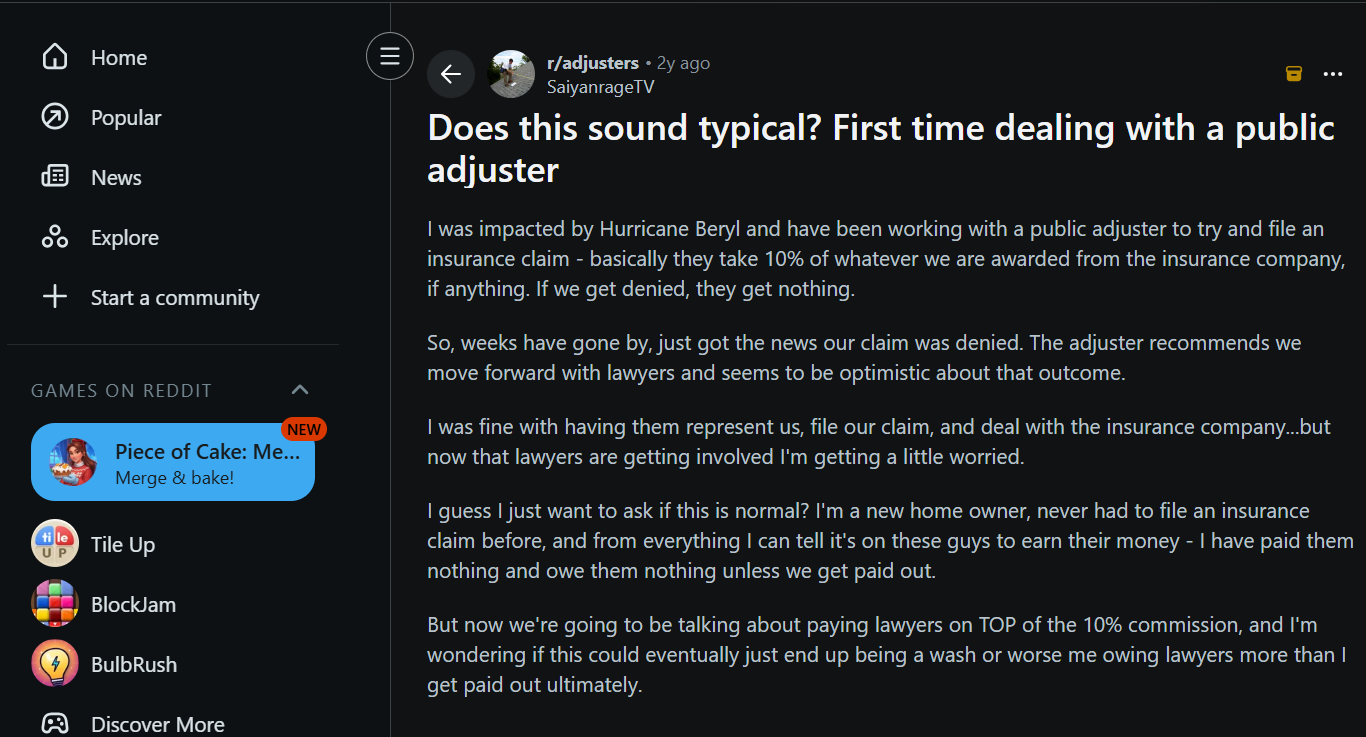
Please stay in touch with your client through all of the steps. Help them understand what you're doing, why you're doing it, and the next possible steps.
A good public adjuster charges a fair fee and explains it up front. Public adjusters take a 10% to 20% commission on the claim payout. You earn nothing unless the client recovers, which keeps your interests aligned with theirs.
Many states cap the percentage to prevent exploitation. For example, Florida limits it to 10% on declared catastrophe claims. As an adjuster you can charge a lower percentage than the state cap. No matter what you charge, the homeowner must be made aware of it in writing.
Fair fee rules for a good public adjuster:
Bad adjusters often hound the homeowner for upfront fees, which is ILLEGAL. But when has illegality stopped a bad tradesman. Nevertheless, please act honestly and responsible for your and the homeowners sake.
A good public adjuster builds a reputation one honest claim at a time. They build their reputation on honesty and transparency. Clients notice, and so do the insurance companies you deal with.
You show up prepared, communicate often, and never overpromise. You treat the policyholder's best interests as the whole job, because referrals follow trust. A reputable public adjuster also knows the limits of the role.
You won't hear a good public adjuster say things like:
A bad public adjuster is often one bad habit away from a complaint or a lost license. Many of their moves are illegal but are sometimes passed on as sales tactics in closed groups. Avoid them and you stay on the right side of your state insurance department.
Mistakes a good public adjuster never makes:
The worst offenders pressure clients and overpromise results. A "free roof" pitch, a deductible rebate, or a referral kickback breaks the law in most states. Acting as an unlicensed adjuster, or letting a contractor negotiate claims, invites serious trouble.
A good public adjuster is licensed, transparent, and relentless on documentation. The best public insurance adjusters represent the policyholder's best interests and negotiate every dollar. Honest fees, clear communication, and a verifiable license set them apart.
A public adjuster earns based on 10% to 20% cut of the claim settlement as a contingency fee. Many states cap the percentage, and some limit catastrophe claims to 10%. Charge on the actual settlement, never the policy limit, and put it in writing.
Yes, most states require a public adjuster's license. Around 45 to 48 states and the District of Columbia license public adjusters through their state insurance departments. Practicing without one is illegal and can end your career.
Joining NAPIA, the National Association of Public Insurance Adjusters, is a strong signal of professionalism. Membership comes with a code of ethics and continuing education. It is optional, yet it builds real trust with clients and peers.
A public adjuster works for the policyholder, while a company adjuster works for the insurance company. An independent adjuster is also hired by the insurer. A good public adjuster makes that loyalty to the client clear from the first call.
A public adjuster should never guarantee a payout, promise a free roof, or take kickbacks. Routing the insurer's check through your own account is a major red flag. These moves break the law in most states and destroy client trust.
A public adjuster wins referrals by delivering honest results and clear communication. Verifiable licenses, real reviews, and references build the reputation that drives word of mouth. Every clean claim becomes the reason the next client hires you.
A good public adjuster represents the policyholder with skill, honesty, and a license clients can verify. The difference between good and bad comes down to documentation, fair fees, and integrity. Don't overpromise and stay true to your job, that's all it takes.
If you're serious about being a good public adjuster, start with the license and the standards in this guide. Don't know where to start?




.jpg)