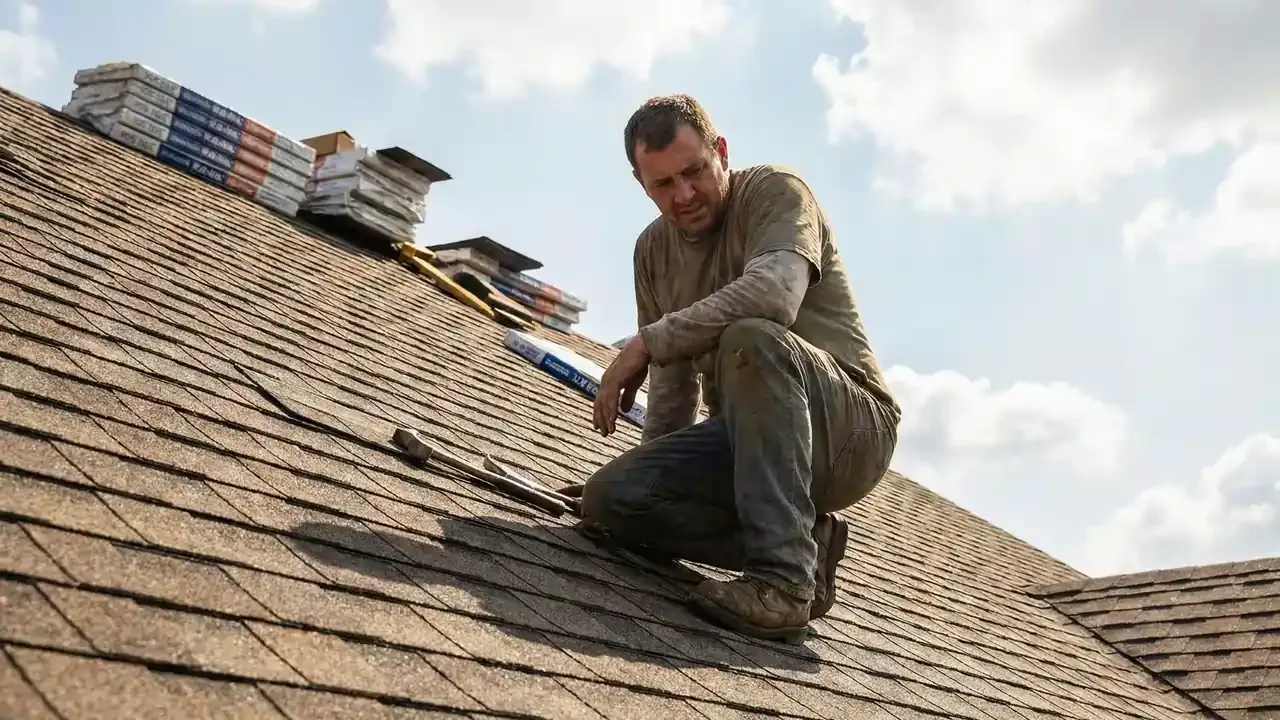
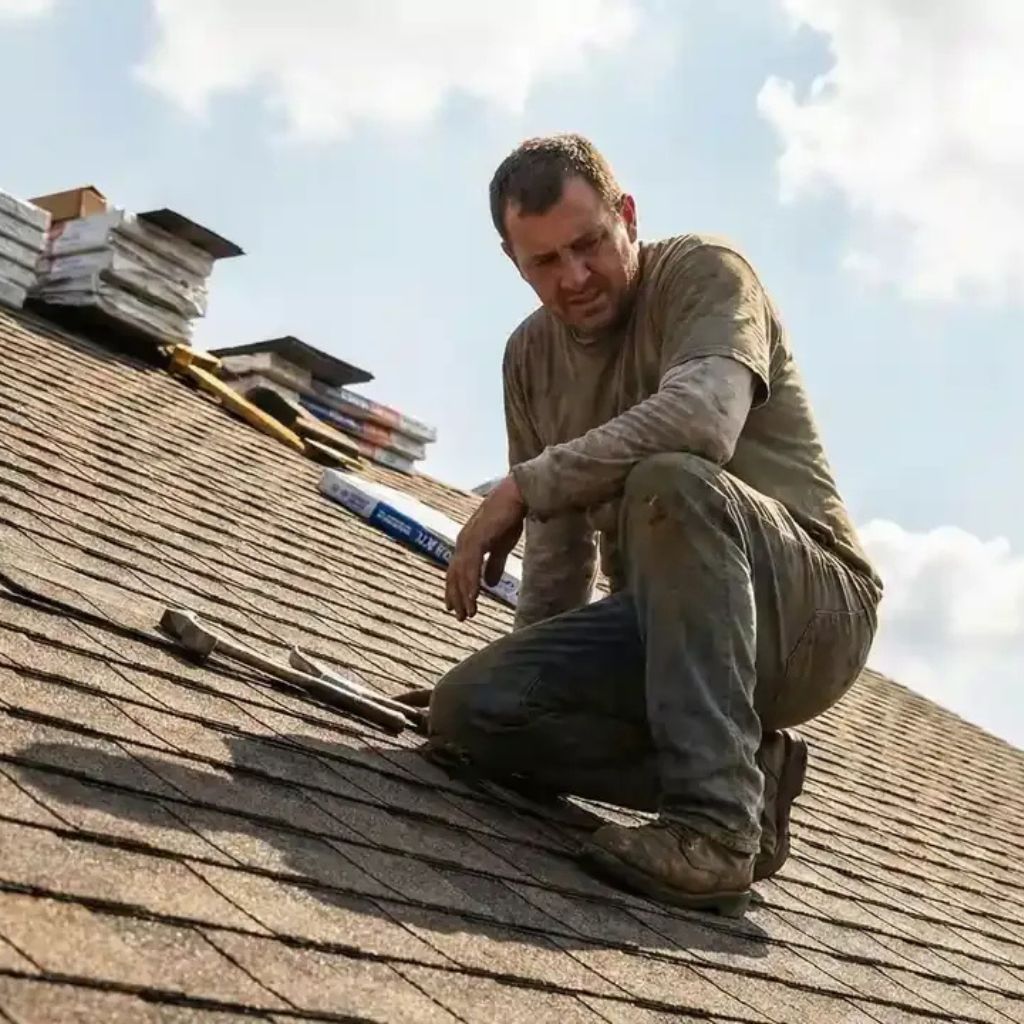
Yes, roofing is a hard career path because it requires extensive physical labor. Constant exposure to the sun, risk of injury, and heavy materials makes it extensively difficult. In fact, roofing and construction are the hardest careers alongside wildland firefighting, ironworking, and deep-sea fishing.
Some people underestimate the roofing industry and its challenges. They are underprepared for the stress, leaving them upset because of the first few hurdles. We'll walk you through everything and explain what and how you need to tackle every problem.
Roofing is a semi-popular career choice because of its profitability. Most experienced roofers earn over $60,000 per annum. However, becoming a roofer also means exposing yourself to countless risks.
These risks are what make roofing careers difficult. Let's understand what these are and how you can solve them.
Roofers have one of the highest injury rates in the A 2023 Survey from the Bureau of Labor Statistics showed that roofing contractors experienced 134 fatal injuries. This happens because roofers often:
Roofing is a physically demanding career by nature with a high risk of injury. Roofing laborers have to carry heavy materials while traversing ladders and steep slopes. The risks are real and unfortunate.
A roofer's schedule is dictated entirely by the elements and client emergencies. A sudden storm can force a crew to work weekends or 12-hour days to tarp damaged homes, while a rainy week can cancel work entirely.
This unpredictability makes it difficult to plan family events, vacations, or consistent childcare, adding stress to the roofer's personal life. You are where the storm is, and the storm doesn't pay attention to your events.
You might roll your eyes at this one, but it's a fact. Roofers have a 60% higher risk of developing skin cancer compared to indoor workers. Many roofers work at elevation and UV radiation hits them from multiple angles.
A single day spent repairing a roof and replacing shingles seems inconsequential. However, cumulative exposure over a 20 year career leads to premature aging, severe sunburns, and a high likelihood of melanoma or carcinoma.
While roofing is a reward career, it also has an inherent instability. Roofing has low job security, especially in states with harsh winters. When snow or heavy rain hits, work stops immediately.
This leads to "feast or famine" income cycles. Roofers often experience a shrinkage in earnings during slow seasons. Naturally, they have to earn enough during "feast" cycle to survive months of potential unemployment.
Countless roofing companies fall prey to these cycles. The cash flow stress combined with other problems causes 90% of roofing businesses to fail in the first 4 years.
Roofers spend a majority of their day in awkward positions while working hard on the roof. They're either kneeling, stooping, or bending while handling heavy loads like shingle bundles (which weigh roughly 70 lbs).
This extra stress builds up after every bend, stoop, and kneel. By the time you get started with retirement, your joints are screaming for mercy. One example of this is back disorders with chronic pain, including disc compression.
According to a 2017 research report in the NIH, roofers suffer from back disorders at a higher rate than almost any other trade due to the repetitive strain on the spine and joints.
Your mind needs rest just like your body, especially when you're a roofer. The constant need for hyper-vigilance creates a unique mental strain. Unlike a desk job where a mistake means a typo, a mistake in roofing can mean a fatal fall.
Sustaining this level of high-alert focus for 8 to 10 hours a day, combined with physical exhaustion, leads to rapid mental burnout and high turnover rates in the industry.
Roofing involves more than just wood and shingles. An example of this is dangerous chemical byproducts and materials. Roofers working on older buildings frequently encounter asbestos in old flashing or insulation.
Additionally, those working with bitumen or hot tar are exposed to fumes that can cause respiratory issues, while lead flashing poses a risk of heavy metal poisoning if mishandled.
Solutions
Yes, despites its difficulties and risks, roofing is a viable career. An average roofer earns 10% to 20% more than the mean US income. Furthermore, the career rewards hard work and dedication to the trade.
While the difficulties of the career are significant, they are manageable with good management and smart strategies. Continuous learning and quality work propels roofers to great career heights, with some even starting a roofing company.
The biggest problem roofers face is fall risk from working at heights above 10 to 30 feet. Falls account for over 30% of construction fatalities annually. Roofers also face extreme weather, heavy material handling, and labor shortages, but fall hazards remain the primary safety and liability concern.
The hardest trade in construction is ironworking due to extreme heights, heavy steel loads, and high injury risk. Ironworkers install structural steel at heights exceeding 100 feet and handle beams weighing 1,000 to 5,000 pounds. The job demands strength, balance, and precision under hazardous conditions.
Working on a roof requires fall protection, proper footwear, and OSHA-compliant safety equipment. Use a personal fall arrest system when working at heights above 6 feet in construction. Wear slip-resistant boots, secure ladders at a 4:1 ratio, and use guardrails or safety nets when required.
Yes, commercial roofing is often more difficult than residential roofing because of the skill requirements, stricter laws, and financial delays. Commercial roofing projects are manageable for established roofers, while residential roofing is ideal for new roofers.
A career in roofing is inherently difficult of the physical labor, steep slopes, heavy materials, and constant exposure to the elements. Apart from this, roofing is a seasonal profession in most states, which increases job insecurity.
Fortunately, you can manage this difficulty through smart strategies. For example, you can learn how to get consistent roofing jobs for better security. In the end, the only thing that's actually difficult is overcoming your aversion to learning and improving.
Join our classes and learn how to overcome each hurdle.



.jpg)