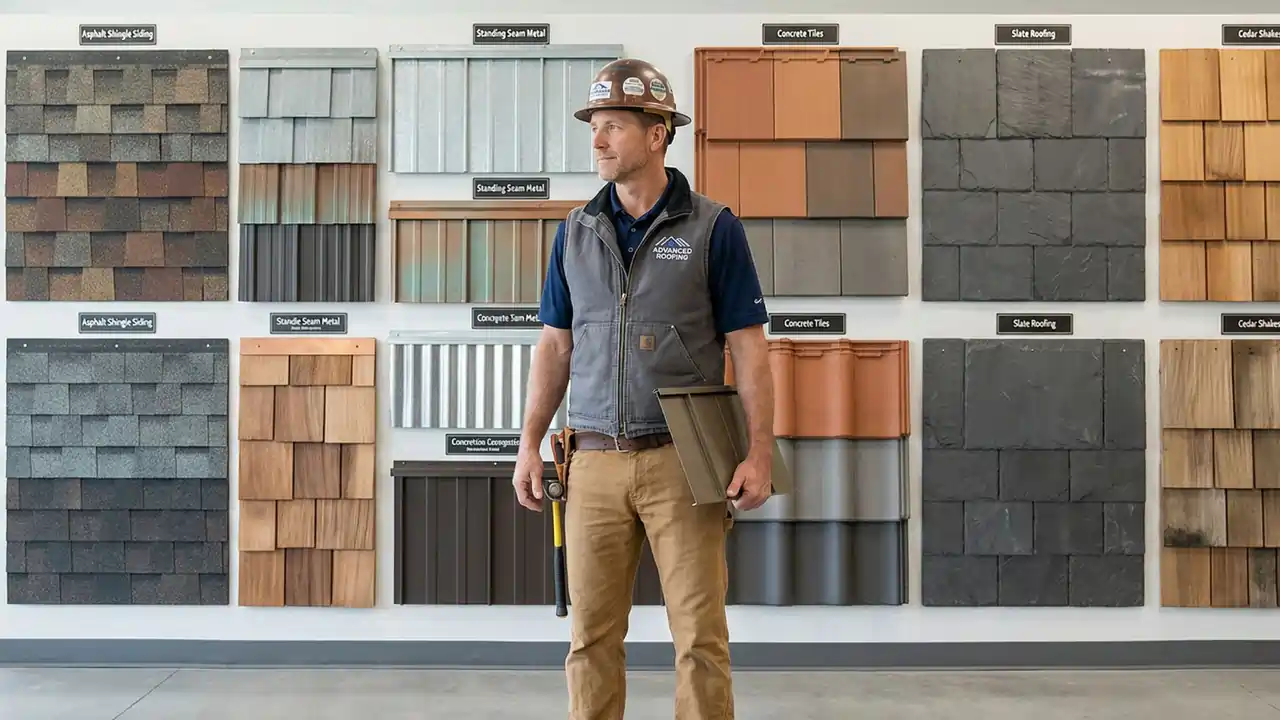
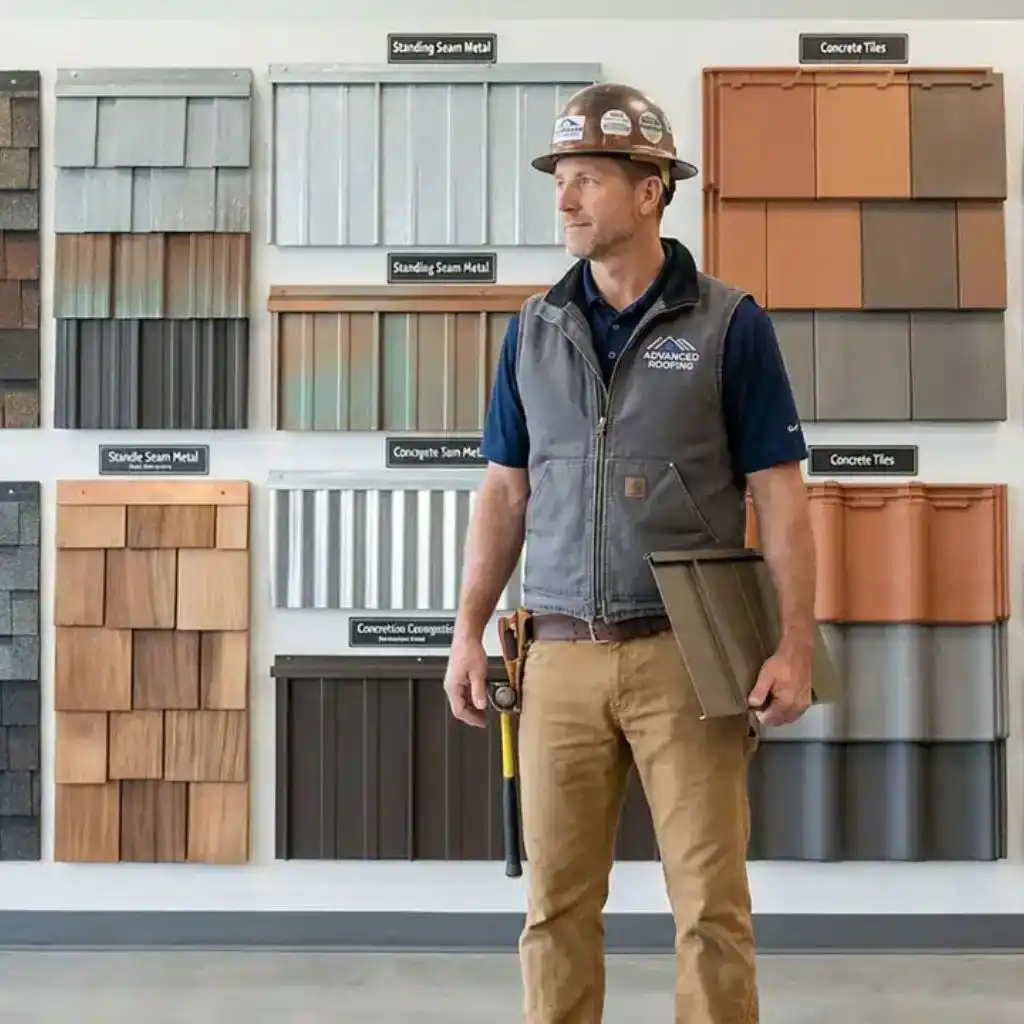
The roofing material you recommend shapes the entire project. It drives your install time, your crew's efficiency, your margins, and whether a customer refers you or forgets you. Knowing every roof type on the market means you can match the right product to the right job every single time.
This guide breaks down all 12 common types of roofing materials from a contractor's perspective. Each one covers what the material is, what it means for your margins, and where it fits in your service menu. The key points are:
Every recommendation starts with four questions:
Getting these answers before you quote saves you from change orders, warranty disputes, and callbacks. Roof slope dictates your material options immediately. Steep roofs open up the full range on the market.
Flat and low-slope systems require membrane roofing, built-up roofing, or rolled roofing specifically designed for standing water. Installing slope-based materials on a flat roof voids warranties and guarantees a callback.
The National Roofing Contractors Association (NRCA) recommends professional roof inspections every 2 to 3 years. Position that service in your business to turn one install into a long-term client relationship.
Asphalt shingles cover over 70% of homes in North America. Your crew already knows the material, suppliers stock it everywhere, and turnaround time is fast. The three product tiers (3-tab, architectural, and luxury) give you a built-in upsell path on every single job.
Almost 70% of homeowners and business owners use asphalt for old and new roofs. You'd be wise to master this roof option. Architectural shingles carry 30-year warranties upgradable to 50 years with a full roof system install.
Installed costs run $4 to $12 per square foot. On a standard 2,000 square foot residential roof, that puts your gross revenue between $8,000 and $24,000 depending on product tier. Net profits on asphalt shingles typically land between 20% and 35%.
A crew that runs two to three asphalt jobs per week generates consistent, predictable cash flow. Upselling from 3-tab to architectural adds $2,000 to $5,000 to the average ticket with no additional labor complexity.
Metal roofs last 40 to 70 years. That one fact closes jobs. Customers investing in metal roofing are paying for the last roof they will ever need, and that story generates referrals that sustain a business.
The Metal Construction Association confirms that properly coated metal roofs can exceed 70 years of service life. Steel handles impact, fire, and wind well. Aluminum outperforms in coastal markets where salt air corrodes lesser materials.
Installed costs run $4 to $20 per square foot. On a 2,000 square foot roof, that means revenue between $8,000 and $40,000. Net margins on metal roofing typically run 30% to 45%, higher than asphalt because the labor pool is smaller and competition thins out fast.
A trained metal roofing crew running one to two jobs per week can generate $25,000 to $60,000 in monthly gross revenue. The low callback rate also protects margin on every job after it closes.
Standing seam panels lock at concealed vertical seams using hidden clips. No exposed fasteners means no screws to replace every 5 to 10 years, which is a major competitive talking point over standard metal systems.
Most standing seam systems qualify for 50-year non-prorated warranties when installed as a complete roof system. Manufacturer certification is typically required, and that credential separates your business from contractors who cannot bid these jobs at all.
Installed costs run $10 to $25 per square foot. A 2,000 square foot standing seam roof brings in $20,000 to $50,000 in gross revenue per job. Net margins land between 35% and 50% for certified installers because the skill barrier eliminates most competitors from bidding.
One standing seam job per week can generate $80,000 to $200,000 in monthly revenue for a well-run operation. The premium client base in this category also refers aggressively, so marketing costs stay low relative to job value.
Natural slate lasts 75 to over 100 years and represents one of the highest-prestige installs in residential roofing. Structural assessment and reinforcement are almost always required. Natural slate weighs between 800 and 1,500 pounds per square, according to Raypro Roofing's 2025 analysis, so factor that into your scope before you quote.
Repairs require specialist knowledge. Contractors certified in slate work access job opportunities that the vast majority of competitors simply cannot touch.
Installed costs run $20 to $50 or more per square foot. A 2,000 square foot slate roof generates $40,000 to $100,000 in gross revenue per project. Net margins typically range from 35% to 55% because the install complexity and specialist reputation command it.
Structural reinforcement and custom flashing work add further revenue on top of the base install. One or two slate jobs per month can make a significant contribution to annual revenue without high job volume.
Clay tile dominates in the Southwest, Florida, and Southern California. It lasts 50 to 100 years in hot climates and customers in those markets actively expect it as a premium option. The material's low moisture absorption reduces maintenance callbacks and keeps your service schedule cleaner.
Clay becomes brittle in freezing temperatures, so this is a warm-climate-only product. Train your crew on proper staging before their first clay tile job. Walking on tiles incorrectly breaks them.
Installed costs run $12 to $25 per square foot. A 2,000 square foot clay tile roof brings in $24,000 to $50,000 gross. Net margins typically land between 30% and 45%. In high-end residential markets in Florida or Arizona, per-job revenue regularly exceeds $40,000 on larger homes.
Structural reinforcement and premium underlayment add another $3,000 to $8,000 in upsell revenue per project without significant labor additions. These are also quite popular in both residential and commercial roofing circles.
Concrete tile mimics the look of asphalt, slate, clay, and wood shake at a lower price point than clay. It lasts upward of 50 years and needs periodic resealing, which creates a recurring service opportunity for contractors running maintenance programs.
Skills transfer cleanly from clay tile to concrete tile, so if your crew already works with clay, concrete adds minimal ramp-up time.
Installed costs run $8 to $20 per square foot. A 2,000 square foot concrete tile roof generates $16,000 to $40,000 in gross revenue. Net margins typically range from 28% to 40%.
Concrete tile gives you a tile product to offer customers whose budgets do not stretch to clay, broadening your close rate on premium roofing conversations. Annual resealing contracts on concrete tile roofs add $500 to $1,500 per customer per service cycle, compounding revenue across your client base over time.
Cedar shake and wood shingles attract customers who value natural materials and are willing to pay for them. Wood shakes are hand-split for a rustic look. Wood shingles are sawn for a cleaner finish. Both deliver solid insulation and good performance in dry climates.
Fire resistance is the honest conversation you must have upfront. Know your local codes before you quote, and always present fire-treated cedar as the responsible upgrade where it is available and permitted.
Installed costs run $6 to $14 per square foot. A 2,000 square foot wood shake roof generates $12,000 to $28,000 in gross revenue. Net margins typically land between 28% and 38%. The real value in wood roofing is the client profile.
Cedar shake customers in high-income neighborhoods refer within their networks, and those referrals carry strong purchasing intent. Annual moss, algae, and treatment inspection programs add $300 to $700 per customer per year in recurring service revenue.
Composite roofing mimics the look of natural slate or cedar shake without the weight, structural complications, or high maintenance of real materials. Most composite lines last 40 to 50 years, install on standard framing, and are available in a wide range of colors and styles.
Some premium brands require certified contractor installation to honor their full warranty. Pursue that certification. It unlocks better products, protects your customers, and sets your business apart from contractors offering only asphalt.
Installed costs run $7 to $15 per square foot. A 2,000 square foot composite roof brings in $14,000 to $30,000 gross. Net margins typically range from 32% to 45%, sitting above asphalt because competition is lighter and the product positions as premium.
Composite roofing is one of the strongest margin-to-install-complexity ratios available. It installs faster than real slate or cedar, which means your labor costs stay controlled while your ticket values stay elevated.
Membrane roofing is your entry point into flat roof and commercial work. EPDM is the most affordable and forgiving to install. TPO and PVC are heat-welded at the seams for a stronger waterproof bond and carry reflective properties that reduce building cooling costs.
Seam quality is the most important factor on any membrane job. Seam failures cause leaks, warranty claims, and lost commercial clients. Train your crew to test every seam before signing off on any flat roof project.
Installed costs run $4 to $12 per square foot. Commercial roofs typically range from 5,000 to 20,000 square feet, putting gross revenue between $20,000 and $240,000 per project. Net margins typically run 28% to 42%.
Commercial clients also sign annual inspection and maintenance contracts at $1,500 to $5,000 per year, which adds predictable recurring income to every membrane install you complete. Moving into commercial membrane work opens a revenue tier most residential-only contractors never access.
Built-up roofing uses alternating layers of bitumen and reinforcing fabric to create a flat roof system with built-in redundancy. If one layer fails, the layers beneath it continue protecting the building.
That reliability argument resonates strongly with commercial property owners who cannot tolerate roof failures on occupied buildings. BUR involves hot bitumen, which requires strict job site safety protocols and an experienced crew. This is not a product for an untrained team.
Installed costs run $5 to $10 per square foot. On a large commercial building with 15,000 square feet of flat roof, a BUR project generates $75,000 to $150,000 in gross revenue. Net margins typically land between 30% and 42% on commercial roofing jobs.
Annual inspection and surface coating contracts add $2,000 to $8,000 per year per client, building a recurring revenue base that stabilizes your pipeline between large install projects.
Rolled roofing is the fastest install in your arsenal. Each roll covers approximately 100 square feet and goes down with nails or adhesive in minimal time. It is practical for sheds, garages, carports, and agricultural structures.
The lifespan is 5 to 10 years, so set that expectation clearly with every customer. Overselling rolled roofing on a primary structure creates dissatisfied clients and costly callbacks.
Installed costs of rolled roofing runs $1 to $4 per square foot. A 500 square foot shed roof brings in $500 to $2,000 gross. Net margins are typically 25% to 35%, meaning the absolute dollar return per job is low.
The real value of rolled roofing is schedule efficiency. It fills gaps between larger jobs, keeps your crew productive on slow days, and gives you a fast close on small-budget customers who would otherwise go elsewhere. Use it strategically, not as a primary revenue driver.
Green roofs layer waterproof membrane, drainage board, growing medium, and vegetation to create a living roof system. They manage storm water, provide natural insulation, and reduce urban heat.
Every green roof project requires a structural engineering review before work begins due to the load weight of saturated growing medium. Partner with a trusted structural engineer. That relationship makes your offer credible and complete from the first client meeting. Installed costs run $15 to $35 per square foot.
On a 3,000 square foot commercial green roof, gross revenue runs $45,000 to $105,000 per project. Net margins typically land between 38% and 55% because specialist competition is extremely limited and customers in this category are not shopping on price alone.
Ongoing vegetation maintenance contracts add $2,000 to $6,000 per year per client. A portfolio of five to ten green roof maintenance clients generates $10,000 to $60,000 in annual recurring revenue with no new sales required.
The table below gives contractors a fast reference for all 12 roof types in this guide. Cost figures reflect 2025 and 2026 national averages for fully installed systems. Regional labor rates, roof complexity, and material specifications will affect your actual numbers on any given job.
| Roof Type | Installed Cost (per sq ft) | Lifespan | Typical Net Margin | Install Difficulty |
|---|---|---|---|---|
| Asphalt Shingles | $4 to $12 | 15 to 30 years | 20% to 35% | Low |
| Metal Roofing | $4 to $20 | 40 to 70 years | 30% to 45% | Moderate |
| Standing Seam Metal | $10 to $25 | 50 to 70 years | 35% to 50% | High |
| Natural Slate | $20 to $50+ | 75 to 150 years | 35% to 55% | Very high |
| Clay Tile | $12 to $25 | 50 to 100 years | 30% to 45% | High |
| Concrete Tile | $8 to $20 | 50 years+ | 28% to 40% | Moderate to high |
| Wood Shakes and Shingles | $6 to $14 | 20 to 40 years | 28% to 38% | Moderate |
| Synthetic Composite | $7 to $15 | 40 to 50 years | 32% to 45% | Moderate |
| Membrane (EPDM/TPO/PVC) | $4 to $12 | 15 to 30 years | 28% to 42% | Moderate |
| Built-Up Roofing (BUR) | $5 to $10 | 15 to 30 years | 30% to 42% | High |
| Rolled Roofing | $1 to $4 | 5 to 10 years | 25% to 35% | Very low |
| Green Roof | $15 to $35 | 30 to 50 years | 38% to 55% | Very high |
The best contractors do not just install whatever the customer asks for. They:
You must remember that your recommendations can influence the customer. Simultaneously, your goal is to help the customer so your recommendation is only valid if it meets the customers demand.
New roofers often have difficulty matching materials to demand. Here are some use cases that can help you:
| Job Type | Best Roof Material Options |
|---|---|
| Budget residential replacement | 3-tab or architectural asphalt shingles |
| Mid-tier residential upsell | Architectural shingles, metal roofing panels, concrete roofing tiles |
| Premium residential | Standing seam metal, composite roofing, clay tile, luxury shingles |
| Luxury or historic residential | Natural slate, copper roofing, cedar shake |
| Flat or low-slope roof | EPDM, TPO, PVC membrane, built-up roofing |
| Outbuildings and secondary structures | Rolled roofing, EPDM, 3-tab shingles |
| Commercial or municipal | Built-up roofing, TPO, standing seam metal, green roof systems |
Remember, you have to do your best to turn that one-time customer into a repeat patron. Build valuable trust-based relations with your client. Doing this will pay off in the short and long run.
Asphalt shingles account for over 70% of residential roofs in the United States and represent the highest-volume work available to most residential contractors. Architectural shingles are the most popular tier today, offering a 30 to 50-year warranty pathway and a consistent upsell opportunity over the older 3-tab design.
Natural slate and copper lead at over 100 years. Standing seam metal and clay tile follow at 50 to 70 years. Asphalt shingles deliver 15 to 30 years. Knowing these lifespans helps contractors frame the value conversation and position premium materials as cost-effective long-term investments on every estimate.
EPDM, TPO, and PVC membrane systems handle standing water, UV exposure, and thermal expansion better than any slope-based material. Built-up roofing (BUR) is a proven option for large commercial flat roofs where multi-layer redundancy is the priority. Installing asphalt shingles on a flat roof system is always a mistake with warranty and liability consequences.
Standing seam metal, natural slate, and green roof systems deliver the highest net margins at 35% to 55%. They attract customers who are not shopping on price, generate referrals after install, and face far less competition than commodity asphalt work. Composite roofing offers the best margin-to-complexity ratio for contractors moving up from standard asphalt work.
Rolled roofing is the simplest install but only suits outbuildings and low-slope secondary structures. For residential work, asphalt shingles are the most accessible product. The tools, techniques, and supplier relationships most contractors already have are fully compatible with asphalt at every tier from 3-tab through luxury dimensional shingles.
Metal roofing, standing seam systems, and natural slate consistently produce the highest satisfaction. All three deliver on their promises over decades, generate very few callbacks, and give customers something worth recommending to neighbors. Composite roofing also scores very well because it delivers premium aesthetics without the maintenance demands that sometimes frustrate cedar shake customers in challenging climates.
Start with the product tier directly above your current highest-margin offering. Running primarily on asphalt? Invest in metal roofing training and equipment. Already doing metal? Pursue standing seam certification from a manufacturer. Each step up in complexity reduces competition and raises average ticket value. The NRCA offers training resources and certification pathways for contractors expanding into specialty roofing across all major product categories.
Every material on this list is a revenue opportunity. Asphalt shingles keep your volume up and your crew productive, while metal and standing seam push your average ticket higher and build a referral base that grows without advertising. You just have to understand and master these materials.
The contractors who grow consistently are the ones who know every roof type well enough to have an honest conversation about all of them. But before all of that, you must get your license. We can help you with that.
We'll help you with tailored classes, actionable advice, and post-exam tips.




.jpg)